
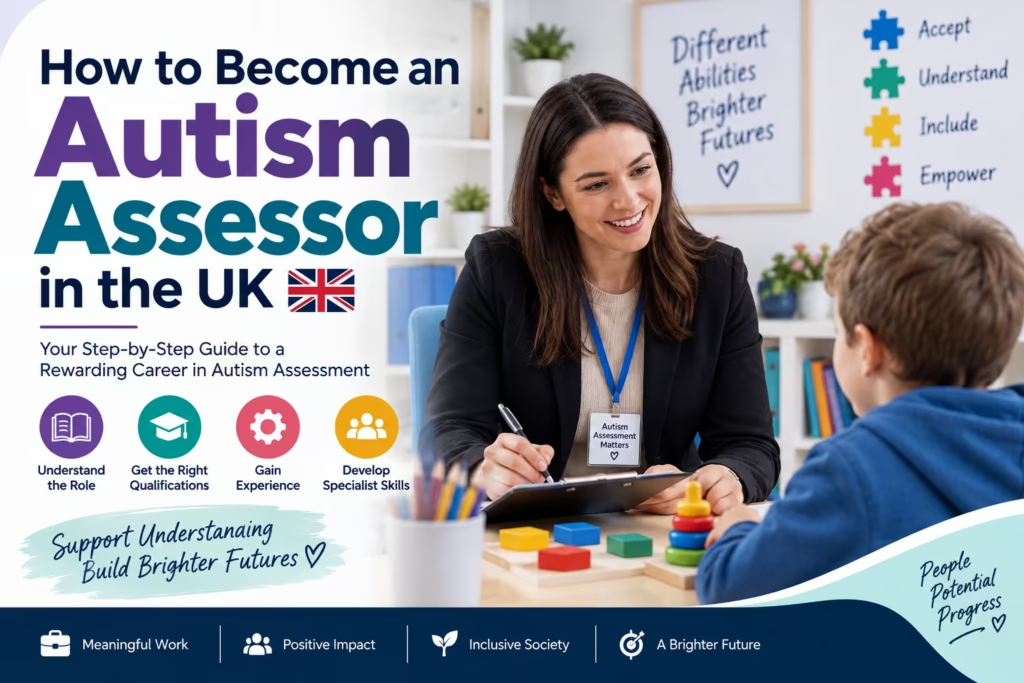
Introduction to the Autism Assessor Career Path
If you are researching how to become an autism assessor, it is important to understand that this is a specialist professional career. In the UK, aspiring assessors generally need a relevant professional qualification, professional registration, clinical experience and specialist training in autism assessment.
Professionals may enter this field through psychology, nursing, speech and language therapy, occupational therapy or medicine. They can then develop specialist expertise through autism assessor training, diagnostic assessment courses and supervised practice.
This guide explains what qualifications you need to be an autism assessor, how long the process can take, the role of ADOS-2 and ADI-R training, professional standards, career opportunities and autism assessor salary UK expectations.
What Does an Autism Assessor Do?
An autism assessor evaluates whether an individual meets recognised diagnostic criteria for autism. The role can involve developmental history interviews, behavioural observation, assessment scoring, clinical formulation, report writing and collaboration with a Multidisciplinary Team (MDT).
Why Autism Assessment Professionals Are in High Demand
Growing awareness of autism, improved recognition of different presentations and increased demand for adult diagnosis have contributed to greater pressure on diagnostic services. This has created opportunities for qualified professionals in NHS services, private clinics, education and specialist neurodevelopmental services.
Understanding Autism Spectrum Disorder and Neurodevelopmental Conditions
Autism is a lifelong neurodevelopmental condition involving differences in social communication and interaction, together with restricted or repetitive behaviours and sensory differences. Autism may also occur alongside ADHD, dyspraxia and specific learning difficulties, making broad neurodevelopmental knowledge important for assessors.
What Is an Autism Assessment and How Does the Diagnostic Process Work?
Understanding the Autism Diagnostic Pathway
An autism assessment combines information about an individual’s current presentation with their developmental history. Depending on the service, the process can involve referral information, interviews, structured observations, questionnaires and information from parents, carers or other people who know the individual well.
DSM-5-TR Autism Spectrum Disorder Criteria Explained
The DSM-5-TR autism spectrum disorder criteria focus on persistent differences in social communication and interaction and restricted, repetitive patterns of behaviour. Diagnosis should be based on the overall clinical picture rather than a single questionnaire or test.
ICD-11 Neurodevelopmental Conditions and Diagnostic Standards
The ICD-11 neurodevelopmental conditions framework also recognises autism as a neurodevelopmental condition. Professionals should understand the diagnostic framework used within their service and professional scope.
Functional Impact Assessment and Clinical Formulation
A functional impact assessment considers how an individual’s characteristics affect everyday life, including education, employment, relationships and home life. Clinical formulation and coding bring together developmental history, observations and assessment findings to support a well-reasoned conclusion.
Differential Diagnosis: ADHD vs Autism
Autism and ADHD can share characteristics, particularly around attention, executive functioning and social difficulties. Assessors therefore need strong differential diagnosis (ADHD vs Autism) skills.
| Feature | Autism | ADHD |
|---|---|---|
| Social communication | Differences in reciprocal interaction and social communication | Difficulties may result from impulsivity or inattention |
| Routine | Often prefers predictability and sameness | May struggle to maintain routines |
| Interests | Deep and focused interests may occur | Hyperfocus may occur but can shift frequently |
| Attention | Often strongly directed toward specific interests | Attention can vary depending on interest and stimulation |
| Sensory differences | Commonly considered during assessment | May occur but are not a core diagnostic feature |
Who Can Become an Autism Assessor?
What Qualifications Do You Need to Be an Autism Assessor?
If you are asking what qualifications do you need to be an autism assessor, you generally need a relevant professional qualification in a field such as psychology, speech and language therapy, nursing, occupational therapy or medicine, followed by specialist autism assessment education.
Autism Assessor Qualifications UK and Professional Requirements
The autism assessor qualifications UK pathway normally involves relevant professional registration, specialist autism knowledge and appropriate diagnostic training. Exact requirements can vary according to professional background, employer and scope of practice.
Roles of Clinical Psychologists, Psychiatrists and Paediatricians
Clinical psychologists can contribute psychological assessment and formulation expertise. Psychiatrists can assess autism alongside mental health conditions, while paediatricians commonly contribute to child and developmental assessments.
Educational Psychologist ASD Assessment Pathway
The Educational Psychologist ASD assessment pathway combines neurodevelopmental knowledge with expertise in education and learning. Educational psychologists can help identify how autism affects educational participation and support.
Speech and Language Therapist (SLT) Pathway
The Speech and Language Therapist (SLT) pathway is valuable because social communication is central to autism assessment. SLTs can assess pragmatic language, communication patterns and interaction.
Nursing and Midwifery Council (NMC) and Health and Care Professions Council (HCPC) Registration
Depending on their profession, practitioners may require registration with bodies such as the Health and Care Professions Council (HCPC) or Nursing and Midwifery Council (NMC). Other regulated professionals will need to follow the requirements of their relevant regulator.
How to Become an Autism Assessor
Step-by-Step Guide on How to Become an Autism Assessor
The pathway generally involves several stages:
| Step | Stage | Main Requirement |
|---|---|---|
| 1 | Core qualification | Relevant professional degree |
| 2 | Professional registration | Register with the appropriate regulator |
| 3 | Clinical experience | Develop post-registration experience |
| 4 | Specialist training | Complete autism assessor training |
| 5 | Diagnostic tools | Train in appropriate assessment instruments |
| 6 | Supervised practice | Conduct assessments under supervision |
| 7 | Ongoing development | Maintain competence through CPD |
How to Become an ASD Assessor in the UK
To understand how to become an ASD assessor in the UK, focus on developing a combination of professional qualifications, relevant registration, autism-specific knowledge, diagnostic training and supervised clinical experience.
Post-Registration Clinical Experience Requirements
Post-registration clinical experience helps professionals develop clinical interviewing, observation, formulation and communication skills. Specialist services may expect significant relevant experience before practitioners undertake assessments independently.
How Long Does It Take to Become an Autism Assessor?
How long does it take to become an autism assessor? The pathway can take approximately 5–9 years, depending on your starting qualification, professional discipline, clinical experience and specialist education.
Becoming an Adult Autism Assessor
To become an adult autism assessor, professionals need to understand adult presentations, masking and camouflaging, retrospective developmental histories and the impact of autism on employment, relationships and independent living.
Private Autism Assessor Career Path
The private autism assessor career path can involve working for independent clinics or developing an independent service. Practitioners need appropriate qualifications, professional competence, supervision and robust assessment procedures.
Autism Assessor Training and Specialist Education
Autism Assessor Training Options in the UK
Autism assessor training can include postgraduate certificates, diplomas, master’s-level programmes and specialist professional courses. Topics may include autism theory, diagnostic frameworks, assessment methods and neuroaffirmative practice.
Autism Diagnostic Training Courses and Continuing Professional Development
Autism diagnostic training courses help eligible professionals develop specialist assessment skills. Practical learning and supervised experience are particularly important when using standardised diagnostic instruments.
Neurodivergent Assessment Certification Programmes
Neurodivergent assessment certification programmes can provide structured education in autism and wider neurodevelopmental assessment. Training should be appropriate to the practitioner’s existing professional qualification and scope.
How to Get Certified to Diagnose Autism
Understanding how to get certified to diagnose autism requires looking beyond a short course. Appropriate professional qualifications, registration, specialist diagnostic education and practical competence are important parts of the pathway.
Developing Competence in Clinical Formulation and Coding
Assessors need to combine test results with developmental history, observation and functional information. Strong clinical formulation skills help produce clear, evidence-based reports.
Gold-Standard Diagnostic Tools Used in Autism Assessments
Autism Diagnostic Observation Schedule (ADOS-2)
The Autism Diagnostic Observation Schedule (ADOS-2) is a structured assessment involving observation of social communication, interaction and behaviour. The appropriate module depends on factors such as age and communication level.
ADOS-2 Training UK and Certification Requirements
ADOS-2 training UK teaches professionals how to administer, observe and score the instrument consistently. Continued supervised practice can help maintain competence.
ADOS Training for Psychologists and Other Professionals
ADOS training for psychologists and other eligible professionals focuses on standardised administration and behavioural coding. It should form part of broader clinical assessment competence.
Autism Diagnostic Interview-Revised (ADI-R)
The Autism Diagnostic Interview-Revised (ADI-R) is a structured developmental-history interview that gathers information about communication, social interaction and restricted or repetitive behaviours.
ADI-R Training for Professionals
ADI-R training for professionals helps practitioners develop the skills needed to conduct structured developmental interviews with parents, carers or other appropriate informants.
Diagnostic Interview for Social and Communication Disorders (DISCO)
The Diagnostic Interview for Social and Communication Disorders (DISCO) is another comprehensive interview framework that can explore autism-related characteristics and broader developmental information.
| Tool | Main Purpose | Focus |
|---|---|---|
| ADOS-2 | Structured observation | Social communication and interaction |
| ADI-R | Developmental interview | Early developmental history |
| DISCO | Comprehensive interview | Autism and wider developmental characteristics |
Professional Standards and Clinical Guidelines
NICE Guidelines for Autism Diagnosis
Professionals should follow relevant NICE guidelines for autism diagnosis and local clinical requirements. Assessment should consider developmental history, direct observation, co-occurring conditions and clear communication of findings.
Neuroaffirmative Diagnostic Framework and Best Practice
A neuroaffirmative diagnostic framework recognises autism as a form of neurodevelopmental difference. Good practice considers individual strengths, communication styles, sensory preferences and areas where support may be needed.
The Importance of Evidence-Based Assessments
Assessors should use recognised diagnostic frameworks, validated assessment tools and evidence-based methods. No single screening questionnaire should normally determine a diagnosis.
Ethical Responsibilities and Professional Conduct
Confidentiality, informed consent, professional boundaries and awareness of potential bias are essential. Assessors should only work within their competence and professional scope.
Maintaining Competence Through Continuing Professional Development
Ongoing CPD helps professionals maintain current knowledge and improve their assessment skills as understanding of autism and neurodiversity develops.
Multidisciplinary Team Assessment and Collaborative Practice
Understanding Multidisciplinary Team (MDT) Evaluation
A Multidisciplinary Team (MDT) evaluation combines different professional perspectives. Psychologists, SLTs, nurses, medical professionals and educational specialists can contribute complementary information.
Working With Child and Adolescent Mental Health Services (CAMHS)
Within Child and Adolescent Mental Health Services (CAMHS), autism assessments may involve children and young people with complex developmental, emotional and behavioural presentations.
Collaboration Between Psychologists, SLTs and Healthcare Professionals
Collaborative working allows professionals to combine psychological, communication, developmental and medical information when reaching clinical conclusions.
Autism and Co-Occurring Neurodevelopmental Conditions
Autism can occur alongside ADHD, dyspraxia, sensory differences and specific learning difficulties. Assessors therefore need to recognise overlapping presentations.
Supporting Individuals Across the Lifespan
Assessment services support children, young people and adults. Understanding how autism can present differently across life stages is essential for effective assessment.
Skills Needed to Perform Autism Assessments Professionally
Communication and Clinical Interview Skills
Strong listening, questioning and rapport-building skills help professionals gather accurate information and create a comfortable assessment environment.
Observation and Behavioural Assessment Techniques
Assessors need careful observation skills to identify relevant communication, interaction and behavioural patterns without relying on stereotypes.
Report Writing and Diagnostic Documentation
Reports should clearly explain findings, clinical reasoning and recommendations using accessible language.
Building Neuroaffirmative Practice Skills
Neuroaffirmative practice recognises individual strengths and differences while identifying barriers that may affect daily life.
Developing Expertise in Differential Diagnosis
Experienced assessors consider alternative explanations and co-occurring conditions before reaching a diagnostic conclusion.
Neurodevelopmental Assessor Jobs and Career Opportunities
Neurodevelopmental Assessor Jobs Across the NHS and Private Sector
Neurodevelopmental assessor jobs can be found across NHS services, private clinics, education and specialist neurodevelopmental teams.
Career Opportunities for Autism Assessment Professionals
Career options include child and adult assessment, education, research, specialist clinical services and workplace neurodiversity support.
Working as an Independent or Private Autism Assessor
Independent assessors can develop private services, provided they maintain appropriate professional standards, clinical governance, supervision and documentation.
Specialist Roles in Child and Adult Autism Services
Professionals may specialise in early-years assessment, children and young people, adults, university students or other populations.
Expanding Into Neurodevelopmental Assessment Services
Experienced practitioners may expand their expertise into broader neurodevelopmental services involving autism, ADHD and related conditions.
Autism Assessor Salary UK and Career Progression
Average Autism Assessor Salary UK
The autism assessor salary UK varies according to professional background, experience, location and employment sector.
| Employment Setting | Role | Indicative Earnings |
|---|---|---|
| NHS | Band 7 specialist role | £44,000–£51,000 |
| NHS | Band 8a/8b senior role | £54,000–£70,000 |
| Private practice | Employed assessor | £55,000–£75,000 |
| Independent practice | Fee per assessment | £400–£900 |
These figures are indicative figures from the supplied source and should not be treated as guaranteed earnings.
Factors Affecting Salary and Earnings
Experience, professional registration, specialist qualifications, location and diagnostic expertise can all influence earnings.
NHS Versus Private Practice Opportunities
NHS employment can provide structured career progression and employment benefits, while private practice may offer greater flexibility and different earning opportunities.
Progression Into Senior Clinical Roles
Experienced professionals can progress into senior or lead roles involving complex assessments, supervision, service development and clinical quality.
Long-Term Professional Development and Leadership Opportunities
Long-term career options can include clinical leadership, research, training, service management and specialist consultancy.
Challenges and Future Trends in Autism Assessment
Increasing Demand for Autism Diagnostic Services
Growing referral numbers are placing pressure on diagnostic services and increasing the need for appropriately trained professionals.
Advances in Neurodivergent Assessment Approaches
Assessment practice is increasingly considering real-world functioning and individual experiences alongside structured clinical assessment.
Growing Importance of Neuroaffirmative Practice
Neuroaffirmative approaches are becoming increasingly important in creating respectful, person-centred diagnostic services.
Technology and Innovation in Diagnostic Assessments
Digital questionnaires, secure information systems and telehealth can support assessment pathways, although professional clinical judgement remains essential.
Future Opportunities for Autism Specialists
As awareness of neurodiversity grows, opportunities may continue expanding across healthcare, education, research and workplace support.
Conclusion
Steps to Become an Autism Assessor and Build a Specialist Career
To become an autism assessor, start with a relevant professional qualification, obtain appropriate registration, gain clinical experience and complete specialist autism diagnostic training.
Choosing the Right Autism Assessor Training and Certification Path
Choose autism assessor training, autism diagnostic training courses and neurodivergent assessment certification that match your professional background and intended scope of practice. Training in tools such as ADOS-2 and ADI-R can further develop assessment competence.
Future Opportunities in Autism and Neurodevelopmental Assessment Services
The demand for autism and neurodevelopmental assessment continues to create opportunities across healthcare, education, private practice and research. With appropriate qualifications, supervised experience and a neuroaffirmative approach, professionals can develop a rewarding specialist career while supporting individuals and families seeking greater understanding and appropriate support.
Please note: Professional and training requirements can vary according to your profession, regulator, employer and the type of assessment service. Always check current requirements with the relevant professional body and training provider before enrolling in a programme.
FAQ - How to Become an ADHD Coach
You generally need a relevant professional qualification, appropriate registration, clinical experience and specialist autism diagnostic training.
You generally need a relevant professional qualification and registration, followed by specialist autism assessment education and supervised experience.
The complete pathway can take approximately 5–9 years, depending on your professional background and training route.
ADOS-2 training UK teaches eligible professionals how to administer and score the ADOS-2 as part of appropriate autism assessment services.
ADI-R training teaches professionals how to conduct structured developmental-history interviews using the Autism Diagnostic Interview-Revised.
Appropriately qualified and registered psychologists may contribute to or lead autism diagnostic assessments according to their professional scope and service requirements.
Professional assessment involves recognised diagnostic frameworks, appropriate assessment tools, developmental history, observation, functional assessment and clinical judgement.
Commonly used tools include ADOS-2, ADI-R and DISCO, depending on the service and assessment pathway.
The source material indicates NHS salaries from approximately £44,000 at Band 7 to £70,000 at senior Band 8a/8b levels. Private and independent earnings can vary significantly.