
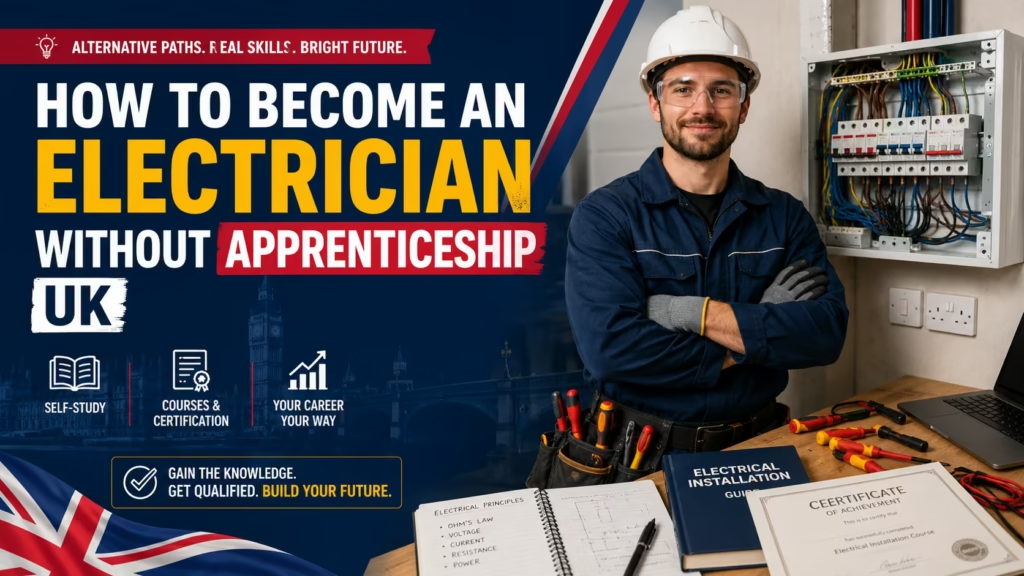
Not everyone who wants to become an electrician can find an apprenticeship straight away. Apprenticeship places are competitive, often tied to specific employers, and not always available locally. If you’ve been wondering how to become an electrician without an apprenticeship UK, the good news is that it’s entirely possible — but there’s no shortcut around the training and experience involved.
This guide walks through the realistic pathway, what it involves, and what to expect in terms of time and cost.
Can You Become an Electrician Without an Apprenticeship in the UK?
Yes. An apprenticeship is simply one route into the electrical trade, not the only one. Plenty of qualified electricians working today reached that point through classroom-based study combined with work-based experience, rather than a formal apprenticeship contract.
That said, the standard to become a fully qualified electrician doesn’t change depending on the route you take. Whichever path you choose, you’ll still need recognised qualifications, supervised site experience, and evidence that you can work safely and competently. There’s no version of this career where someone skips practical experience entirely.
The Main Route Without an Apprenticeship
For most people without an apprenticeship, the electrical installation route tends to follow this general order:
- Level 2 Diploma in Electrical Installations – covers the basics of electrical theory, safety, and installation principles.
- Level 3 Diploma in Electrical Installations – builds on Level 2 with more advanced classroom-based electrical training.
- 18th Edition Wiring Regulations – a qualification covering current wiring regulations and electrical safety standards, required by most employers.
- Work experience as an electrician’s mate, improver, or trainee – this is where classroom knowledge meets hands-on electrical experience on real sites.
- NVQ Level 3 portfolio – built up through work-based electrical experience, with evidence logged and assessed over time.
- AM2 assessment – a practical, end-point assessment testing real-world competence.
- ECS Gold Card application – the recognised proof of competence used across the UK construction industry.
This is sometimes called the trainee electrician pathway, and it mirrors much of what an apprenticeship covers — just arranged independently rather than through a single employer-led scheme.
Why Work Experience Still Matters
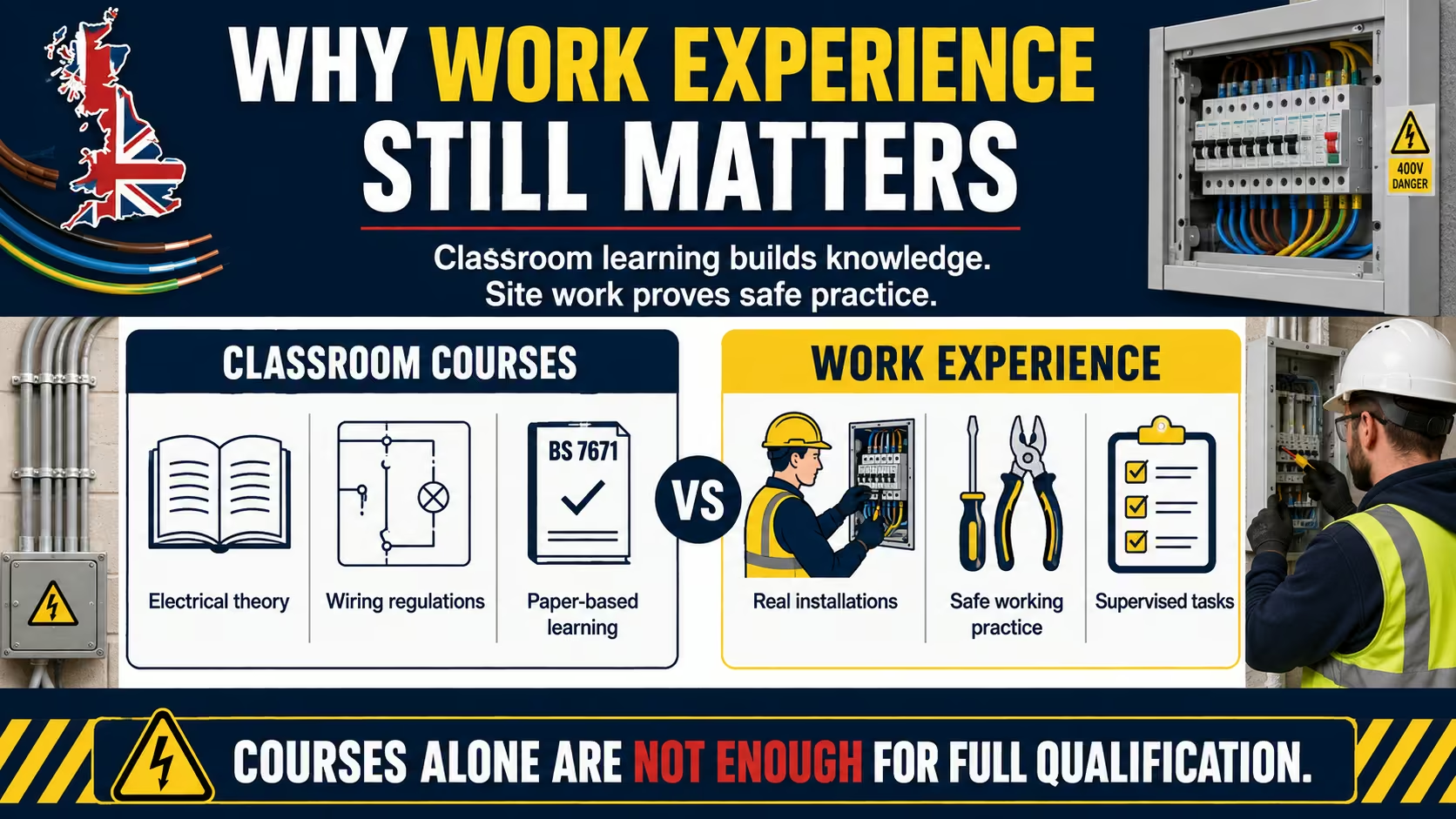
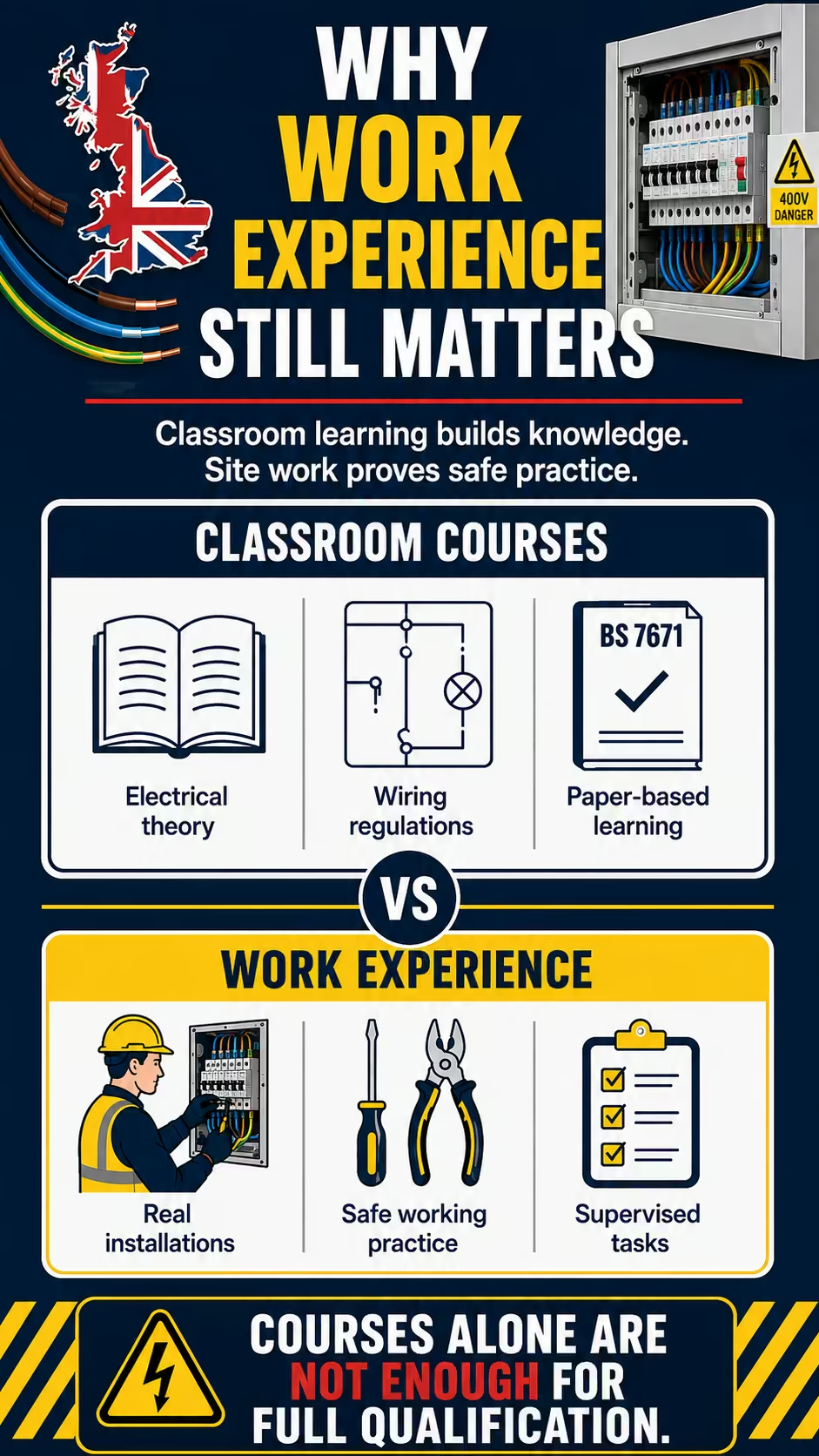
Electrical work is safety-critical, which is exactly why classroom courses alone are not enough to become fully qualified. You can understand wiring regulations and electrical theory perfectly well on paper, but the JIB grading and ECS Gold Card process exist to confirm that you can apply that knowledge safely in practice.
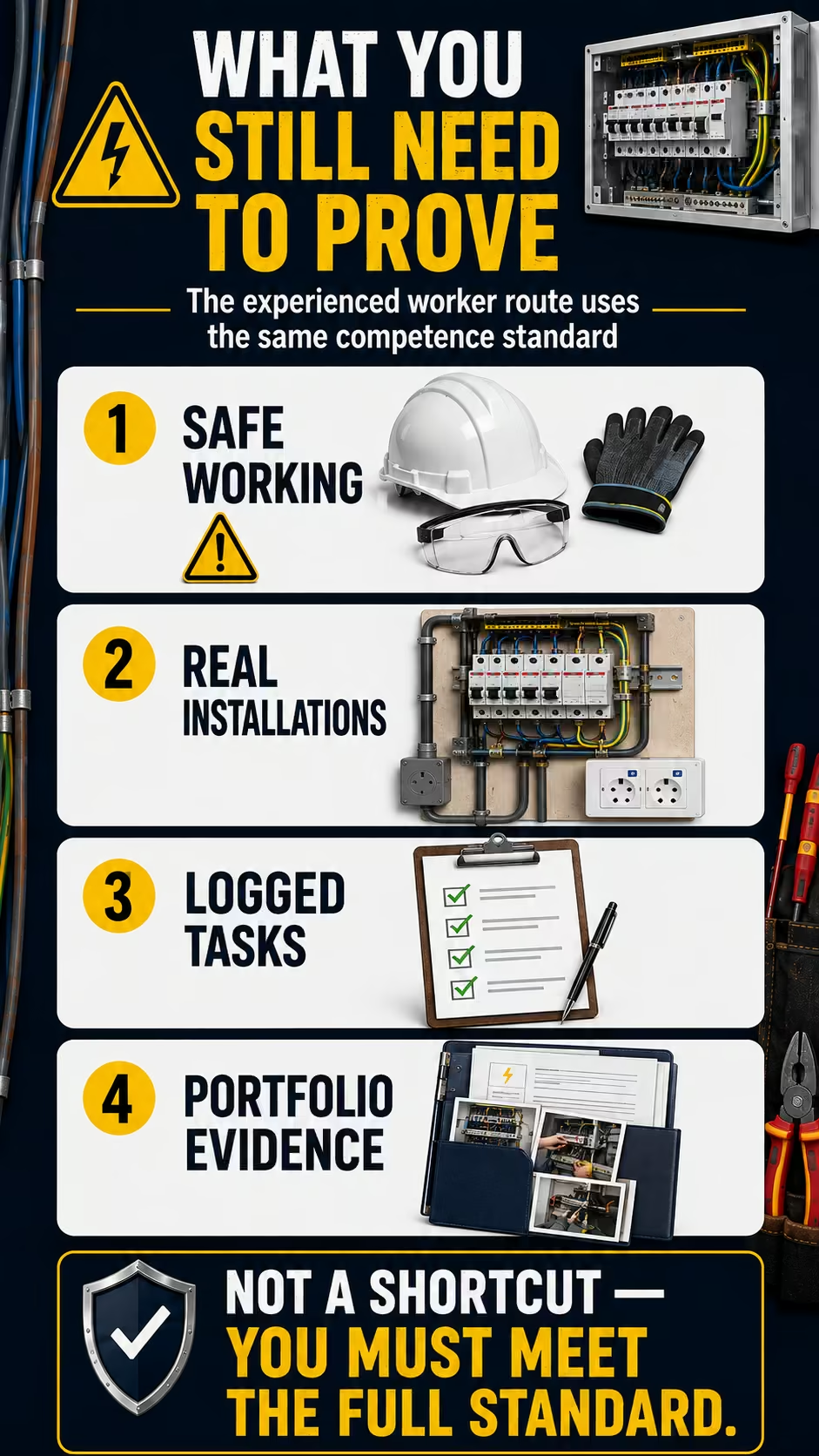
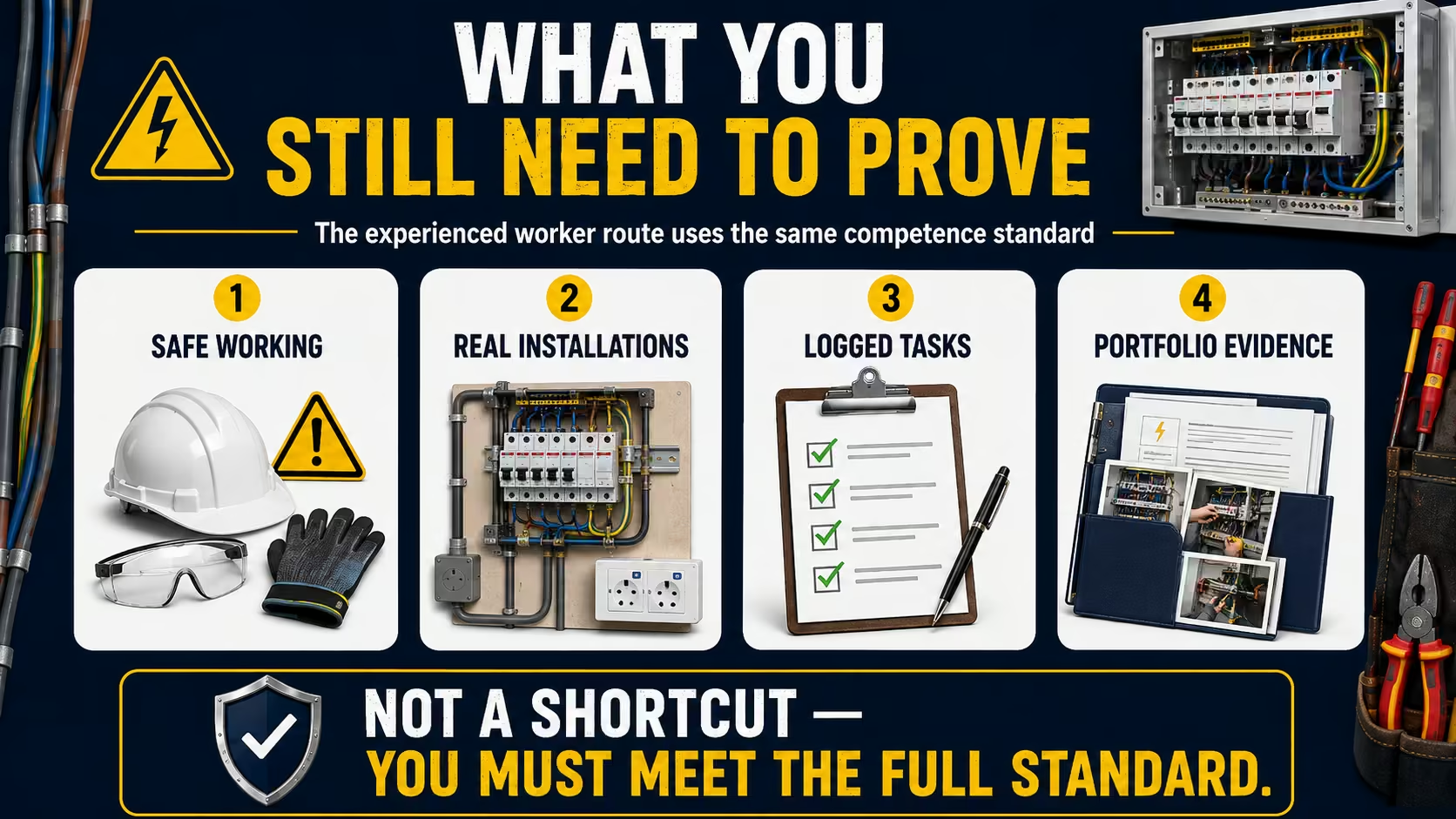
This is also why the NVQ requires real workplace evidence rather than coursework alone. Assessors need to see logged tasks, supervised site experience, and a clear record of your electrical portfolio evidence before they can sign off on your competence.
Domestic Installer vs Fully Qualified Electrician
A domestic installer course is a popular shorter option, but it’s important to understand its limits. It typically allows someone to carry out specific domestic electrical work, often under a competent person scheme, but it does not carry the same scope as a fully qualified electrician.
A fully qualified electrician, by contrast, holds qualifications and an ECS Gold Card that allow them to work across domestic, commercial, and sometimes industrial settings, including inspection and testing duties. If your goal is genuinely to become an electrician rather than complete domestic tasks only, the domestic installer route alone won’t get you there.
Experienced Worker Assessment Route
If you’re already working in the electrical industry perhaps as a mate or improver for several years but don’t yet hold a full qualification, the Experienced Worker Assessment route may suit you. This experienced worker assessment electrician pathway allows your existing hands-on electrical experience to count towards formal recognition, rather than starting training from scratch.
It’s not a free pass, though. You’ll still need to demonstrate competence to the same standard expected of anyone else applying for ECS Gold Card status.
How Long Does It Take?
There’s no version of this where someone becomes a fully qualified electrician in a few weeks. A realistic non-apprenticeship route generally takes around 2 to 4 years, depending on your study pace, how quickly you secure work-based experience, and how your NVQ portfolio and assessments progress.
Some people move faster if they already have construction industry experience; others take longer if work experience is harder to find.
How Much Does It Cost?
Costs vary considerably between providers, so it’s worth treating any figure as a general guide rather than a fixed promise. Expect to budget for course fees across Level 2 and Level 3 diplomas, the 18th Edition qualification, tools and equipment, AM2 assessment fees, and the ECS Gold Card application itself. Many learners spread these costs out over the full training period rather than paying everything upfront.
Is This Route Right for Career Changers?
For adults considering an electrical career change UK-wide, this route often makes more sense than chasing a limited number of apprenticeship places. It offers more flexibility around how and where you study, and it can work well alongside part-time labouring or trainee electrician jobs while you build up your portfolio.
It does require self-discipline, though. Without an employer guiding the process, you’re responsible for arranging your own work experience and keeping your NVQ evidence on track.
Conclusion
So, can you become an electrician without an apprenticeship in the UK? Yes — but it still means working through recognised qualifications, building genuine work-based experience, completing the AM2 assessment, and applying for your ECS Gold Card. There’s no instant shortcut, but for the right person, it’s a solid and achievable alternative electrician career pathway UK.
FAQ - How to Become a Transport Manager in the UK
Yes, through classroom-based qualifications combined with supervised work experience, NVQ evidence, and the AM2 assessment.
No. It allows certain domestic electrical work but doesn’t carry the same scope as a fully qualified electrician with an ECS Gold Card.
Typically around 2 to 4 years, depending on your pace of study and access to work experience.
Yes. NVQ evidence must come from genuine supervised site experience, not classroom study alone.