

Introduction
f you are wondering how to become a transport manager in the UK, you are considering a career that combines logistics, compliance, leadership, and day-to-day fleet management. A transport manager plays a vital role in keeping commercial vehicles, drivers, and deliveries operating safely and legally across the UK.
From managing drivers and vehicle maintenance to ensuring compliance with operator licensing, drivers’ hours, and road safety regulations, the transport manager job description covers a wide range of responsibilities. This makes it an important position within the UK logistics and haulage industry, with strong opportunities for career development.
Whether you are starting your career in transport, looking to move into management, or researching transport manager qualifications, understanding the role and its legal responsibilities is essential. In this guide, we will explain how to become a transport manager in the UK, including the qualifications you need, legal requirements, key responsibilities, expected transport manager salary in the UK, and potential career progression.
What Is a Transport Manager?
A transport manager is the person legally responsible for overseeing a commercial vehicle operation. Within any transportation management company, whether a haulage firm, logistics provider or fleet operator, they ensure that vehicles, drivers, and transport activities remain compliant with UK legislation at all times.
The transport manager roles and responsibilities go well beyond organising routes and scheduling deliveries. They encompass vehicle roadworthiness, driver licence checks, tachograph oversight, maintenance records, and ensuring the business operates within the conditions of its operator’s licence.
In the UK, any business using vehicles over 3,500kg for trade or commercial purposes must hold an operator’s licence and to hold that licence, a qualified transport manager must be in place. The duties of a transportation manager are therefore critical to both legal compliance and public road safety.
Why Transport Managers Are Important
Transport managers are not only simply an operational convenience but also they are a legal requirement. Regulated by the Driver and Vehicle Standards Agency (DVSA) and overseen by Traffic Commissioners, they act as the compliance backbone of any commercial fleet operation.
Without a competent transport manager in place, businesses face serious consequences including financial penalties, operator licence suspension or revocation, vehicle prohibitions and significant reputational damage. As transport legislation becomes increasingly complex, the value of a skilled, qualified transport manager continues to grow.
Transport Manager Roles and Responsibilities
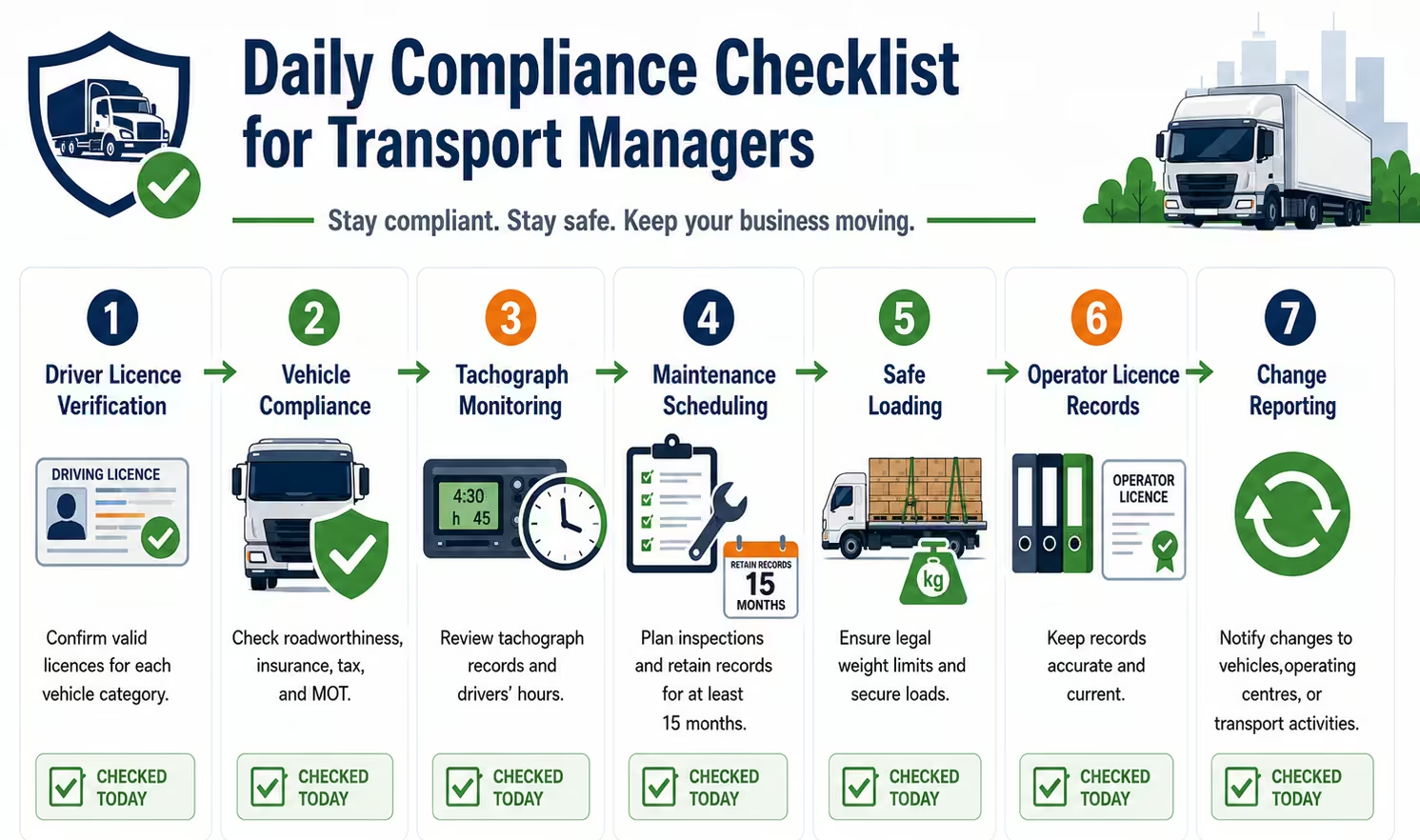
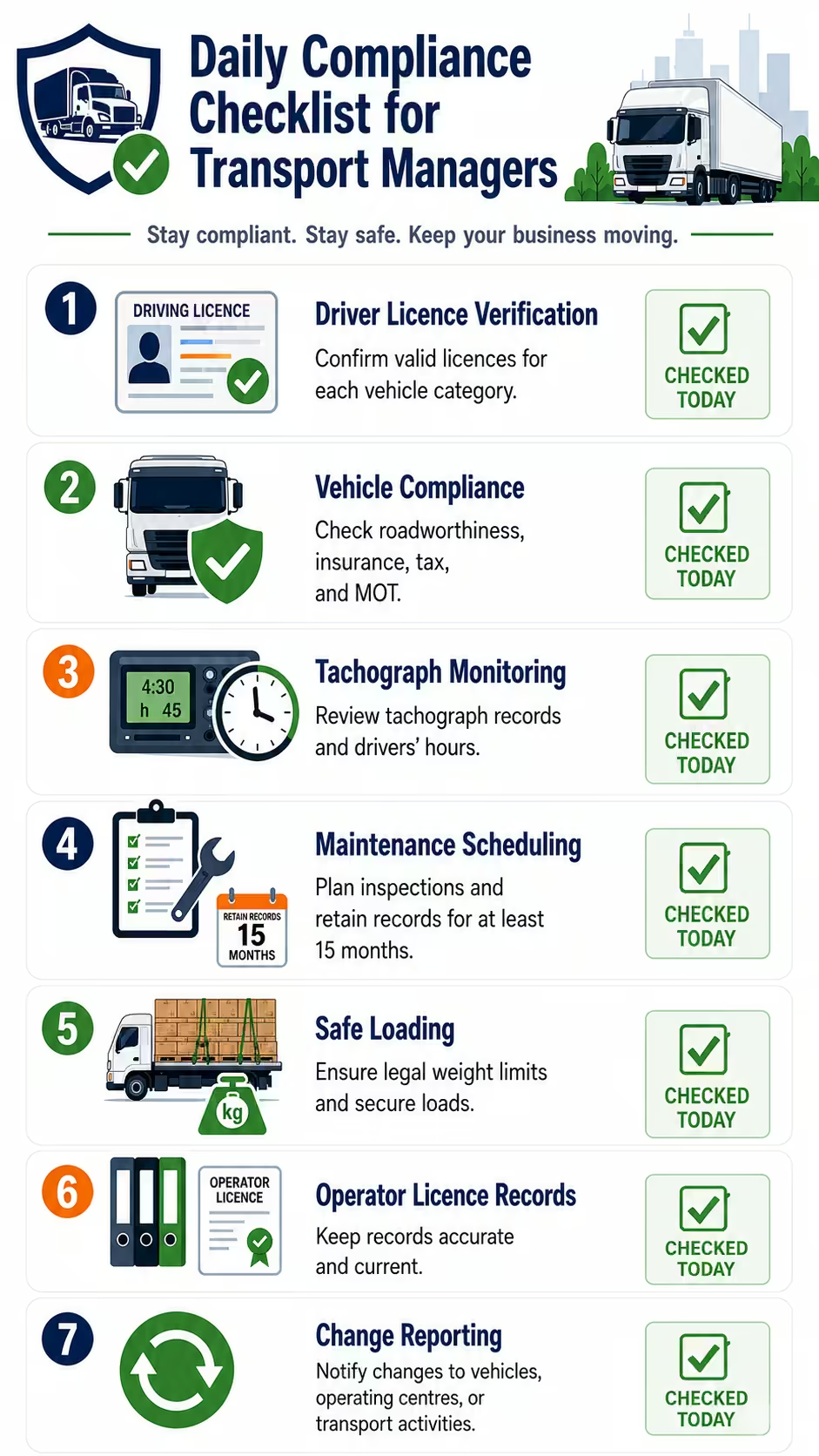
he day-to-day work combines operational management with strict legal accountability. While the specifics vary depending on fleet size and sector, the core transport manager roles and responsibilities include:
- Verifying that all drivers hold valid licences appropriate for their vehicles
- Ensuring every vehicle is roadworthy, insured, taxed, and has a current MOT
- Managing tachograph records and monitoring drivers’ hours for legal compliance
- Overseeing vehicle maintenance schedules and keeping inspection records for a minimum of 15 months
- Ensuring all vehicles are loaded safely and within legal weight limits
- Liaising with Traffic Commissioners during compliance reviews or public inquiries
- Keeping operator licence records accurate and up to date
- Reporting any changes to vehicles, operating centres, or transport activities
These duties of a transportation manager are legally enforceable. Failure to meet them can result in regulatory action against the business and personal consequences for the transport manager, including a ban from the profession.
Transport Manager Requirements
To legally act as a transport manager in the UK, you must meet several formal transport manager requirements set out by the DVSA and enforced by Traffic Commissioners.
Transport Manager CPC: The Transport Manager Certificate of Professional Competence is the mandatory qualification. Without it, you cannot be nominated to an operator’s licence.
Two types of CPC: The Road Haulage CPC covers goods vehicles and HGV operations. The Passenger Transport CPC covers bus and coach operations. You must hold the correct type for the operation you intend to manage.
Traffic Commissioner approval: Holding the qualification is not sufficient on its own. You must be formally approved by a Traffic Commissioner before you can act as a nominated transport manager.
Good repute: You must satisfy the Traffic Commissioner that you are of good repute. Serious criminal convictions or significant transport-related offences may affect your eligibility.
One common misconception worth addressing: you do not need a driving licence to meet the transport manager qualifications and requirements. The role is a management position, not a driving one.
Transport Manager Qualifications - The CPC Explained
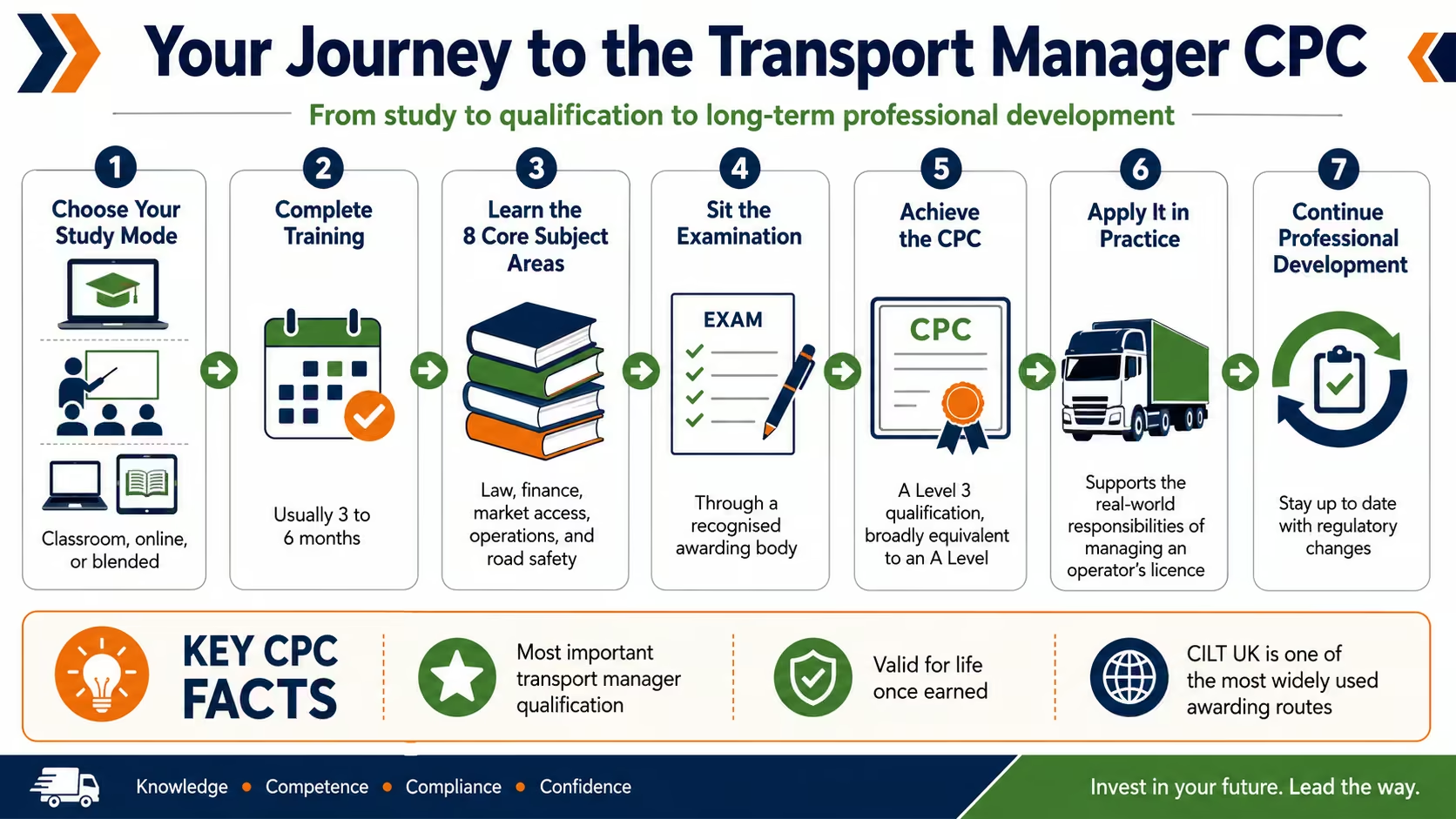
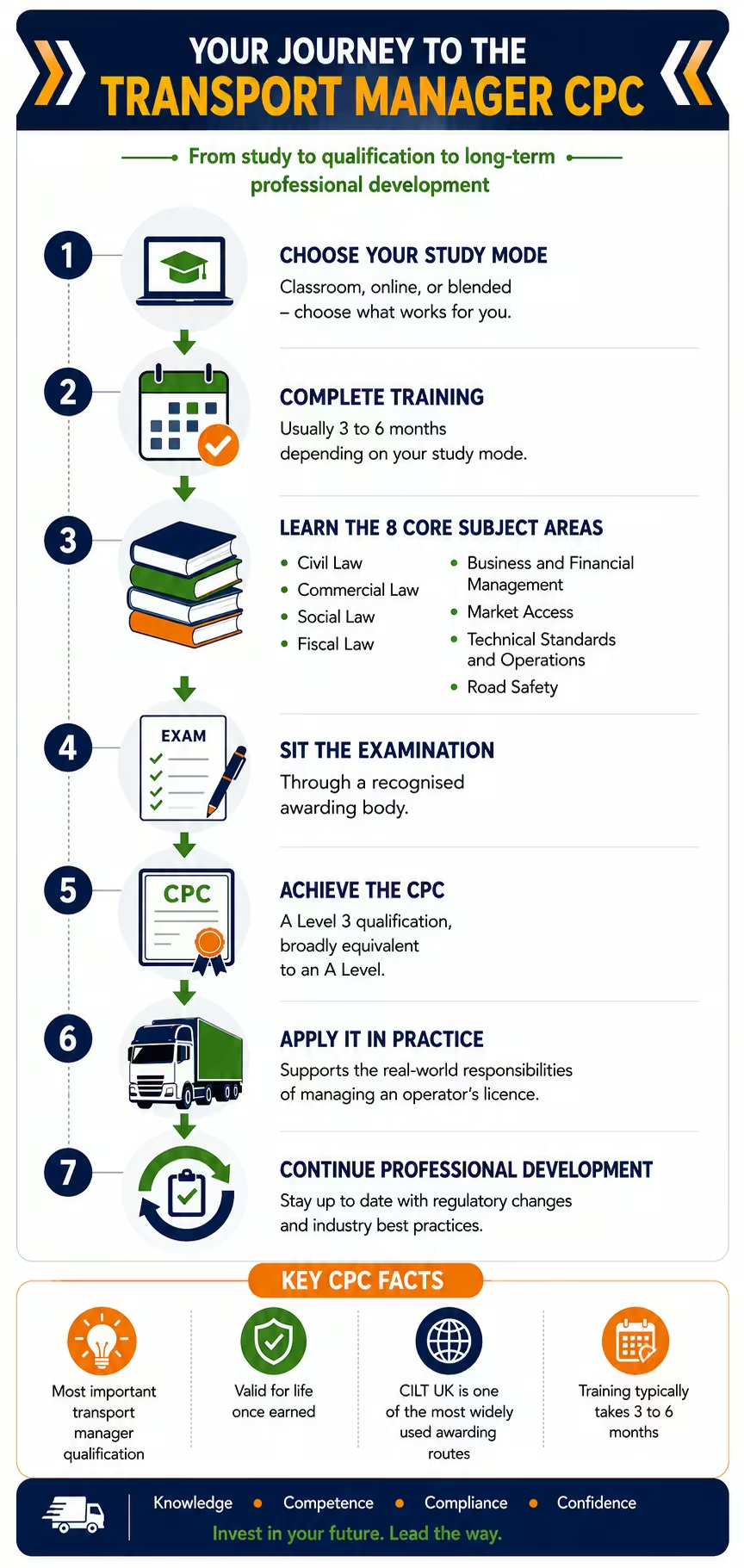
The Transport Manager CPC is a Level 3 qualification broadly equivalent to an A Level and the most important of all transport manager qualifications.
Training typically takes between three and six months, depending on whether you study via classroom, online, or a blended programme. The syllabus covers eight core subject areas:
- Civil Law
- Commercial Law
- Social Law
- Fiscal Law
- Business and Financial Management
- Market Access
- Technical Standards and Operations
- Road Safety
This breadth of content means the qualification genuinely prepares you for the complexity of managing a transport manager operators licence in the real world. Training and examinations are delivered through recognised awarding bodies, with the Chartered Institute of Logistics and Transport UK (CILT UK) being the most widely used.
Once earned, the CPC is valid for life. However, ongoing professional development is strongly recommended to stay current with regulatory changes.
CPC Exams and Pass Rates
To gain the qualification, candidates must pass two examinations taken on the same day:
Multiple-Choice Paper: a closed-book exam requiring a 70% pass mark.
Case Study Exercise: an open-book assessment where you can use your course materials, requiring approximately a 50% pass mark.
Both must be passed to receive the certificate. The national first-time pass rate sits between 45% and 60%, which means the CPC is a genuinely challenging qualification. However, candidates who choose an accredited training provider, work through past papers consistently, and organise their materials well for the open-book case study have a significantly higher chance of passing first time with reputable providers reporting pass rates of 75–90%.
The investment in proper preparation is well worth making.
Transport Manager Operator's Licence Explained
The connection between a transport manager operators licence and the CPC is a legal one, not optional. Any business operating under a Standard National or Standard International operator’s licence must have a nominated transport manager who is both CPC-qualified and approved by the Traffic Commissioner.
Without a qualified transport manager, the licence cannot be granted or maintained — meaning the business cannot legally operate its commercial fleet. For any transportation management company, this makes the transport manager one of the most critical appointments they will ever make.
Internal vs External Transport Manager
There are two ways to work as a transport manager:
Internal Transport Manager: employed directly by one business and responsible solely for that company’s transport operations. This is the most common arrangement.
External Transport Manager: works as a freelance consultant and can be nominated to multiple operator licences simultaneously. External transport managers are permitted to manage up to four different operators at a time, with a combined maximum fleet of 50 vehicles. A formal contract must be in place with each operator.
This flexibility makes the external route an attractive option for experienced professionals who want to build their own consultancy practice.
Career Path and Progression
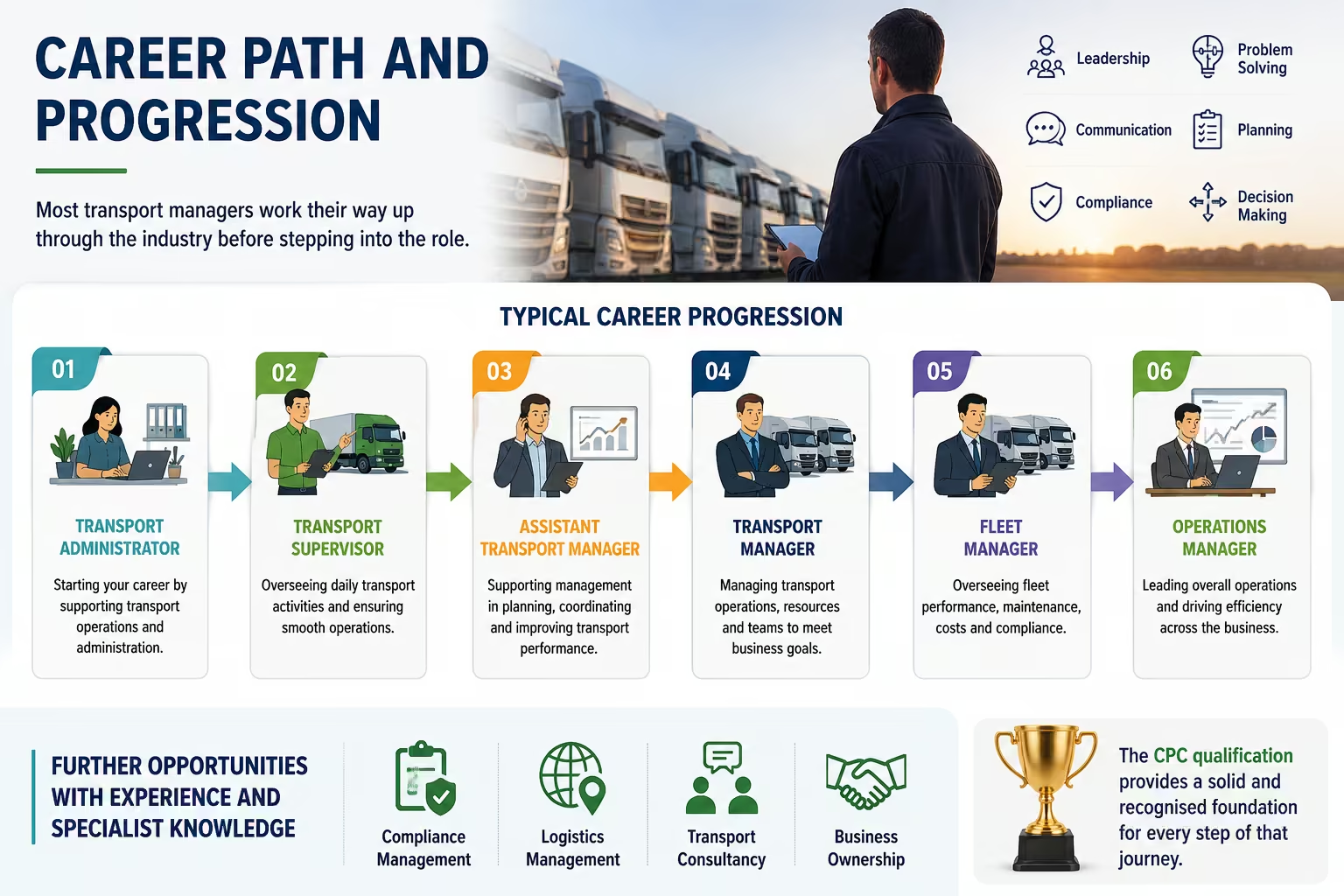
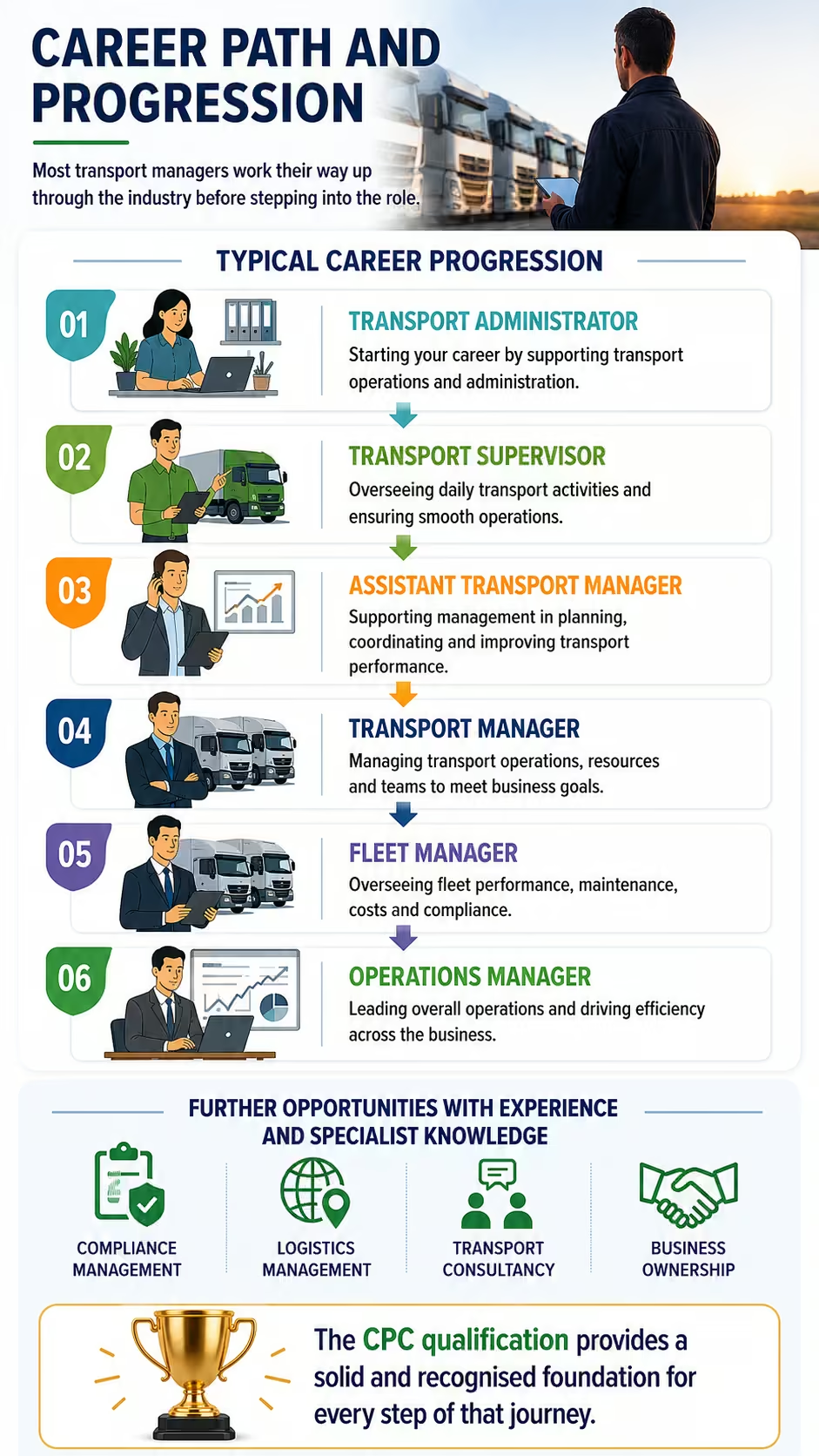
Most transport managers work their way up through the industry before stepping into the role. A typical career progression looks like this:
Transport Administrator → Transport Supervisor → Assistant Transport Manager → Transport Manager → Fleet Manager → Operations Manager
With experience and additional specialist knowledge, further opportunities exist in compliance management, logistics management, transport consultancy, and business ownership. The CPC qualification provides a solid and recognised foundation for every step of that journey.
Salary Expectations in the UK
Transport management offers competitive salaries that grow steadily with experience:
| 📈 Experience Level | 💷 Typical Salary Range |
|---|---|
| 🟢 Entry-Level Transport Manager | £25,000 – £35,000 |
| 🔵 Experienced Transport Manager | £35,000 – £50,000 |
| 🟣 Senior / Fleet Manager Level | £50,000 – £70,000+ |
Factors that influence salary include fleet size, industry sector, geographic location, and level of compliance responsibility. External transport managers typically charge between £50 and £150 per vehicle per month, making consultancy a financially rewarding path for experienced professionals.
With the logistics sector showing no signs of slowing down, long-term job security in this field is strong.
Conclusion
Becoming a transport manager is a serious professional commitment but one that offers genuine rewards. The CPC qualification demands preparation and focus, yet those who invest the time and effort gain access to a respected, well-paid career with clear progression routes and long-term stability.
The UK logistics industry needs qualified transport managers now more than ever. If you are ready to take the first step, start by researching CPC training providers accredited by CILT UK, choose the route that fits your schedule, and commit to thorough preparation. A career that is both in demand and financially rewarding is within reach.
FAQ - How to Become a Transport Manager in the UK
No. A driving licence is not required unless your specific role also involves driving commercial vehicles.
Most candidates complete training within three to six months, depending on their chosen study method.
Yes. Once approved, you can manage up to four operators simultaneously, overseeing a combined maximum of 50 vehicles.
It is a genuinely challenging qualification with a national pass rate of 45–60%. With structured training and consistent preparation, it is very achievable.
Lorem ipsum dolor sit amet, consectetur adipiscingCourse fees typically range from £999 to £2,160 including VAT, depending on the provider and delivery format. Most reputable courses include examination fees within the price.
elit. Ut elit tellus, luctus nec ullamcorper mattis, pulvinar dapibus leo.
Yes. Once obtained, the qualification does not expire, though ongoing professional development is recommended to stay current with legislation.