
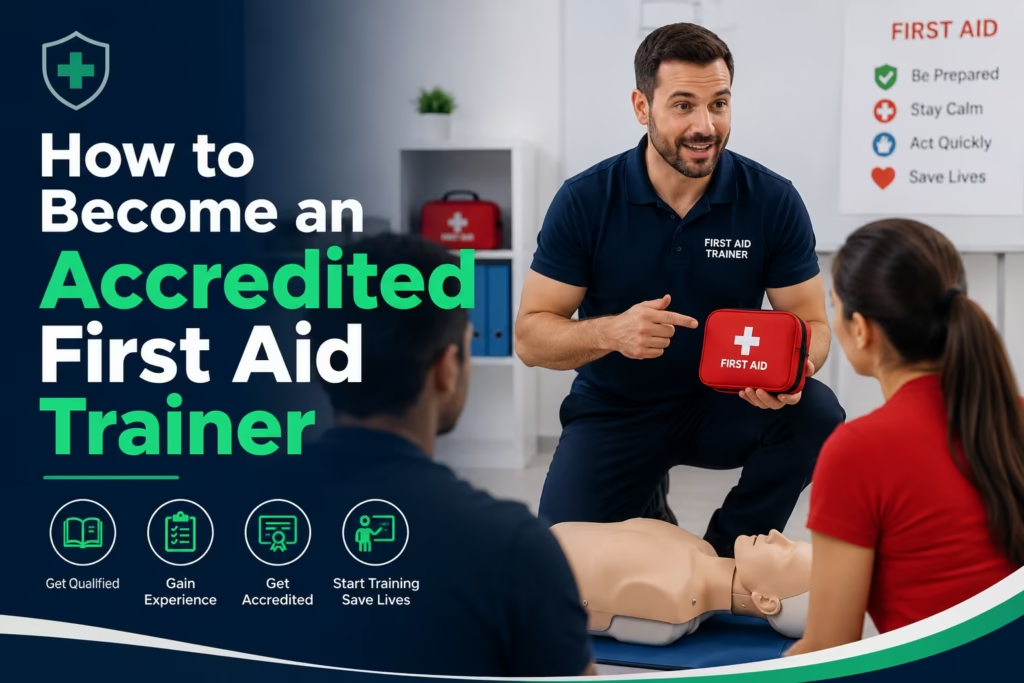
A first aid trainer teaches people how to respond safely and confidently when someone is injured or suddenly becomes unwell. This role matters in workplaces, schools, childcare settings, leisure centres, community groups and health and safety training environments. If you want to become a first aid trainer, you need more than a first aid certificate. You also need teaching skills, practical confidence, assessment ability and a clear understanding of UK quality assurance requirements.
What Does an Accredited First Aid Trainer Do?
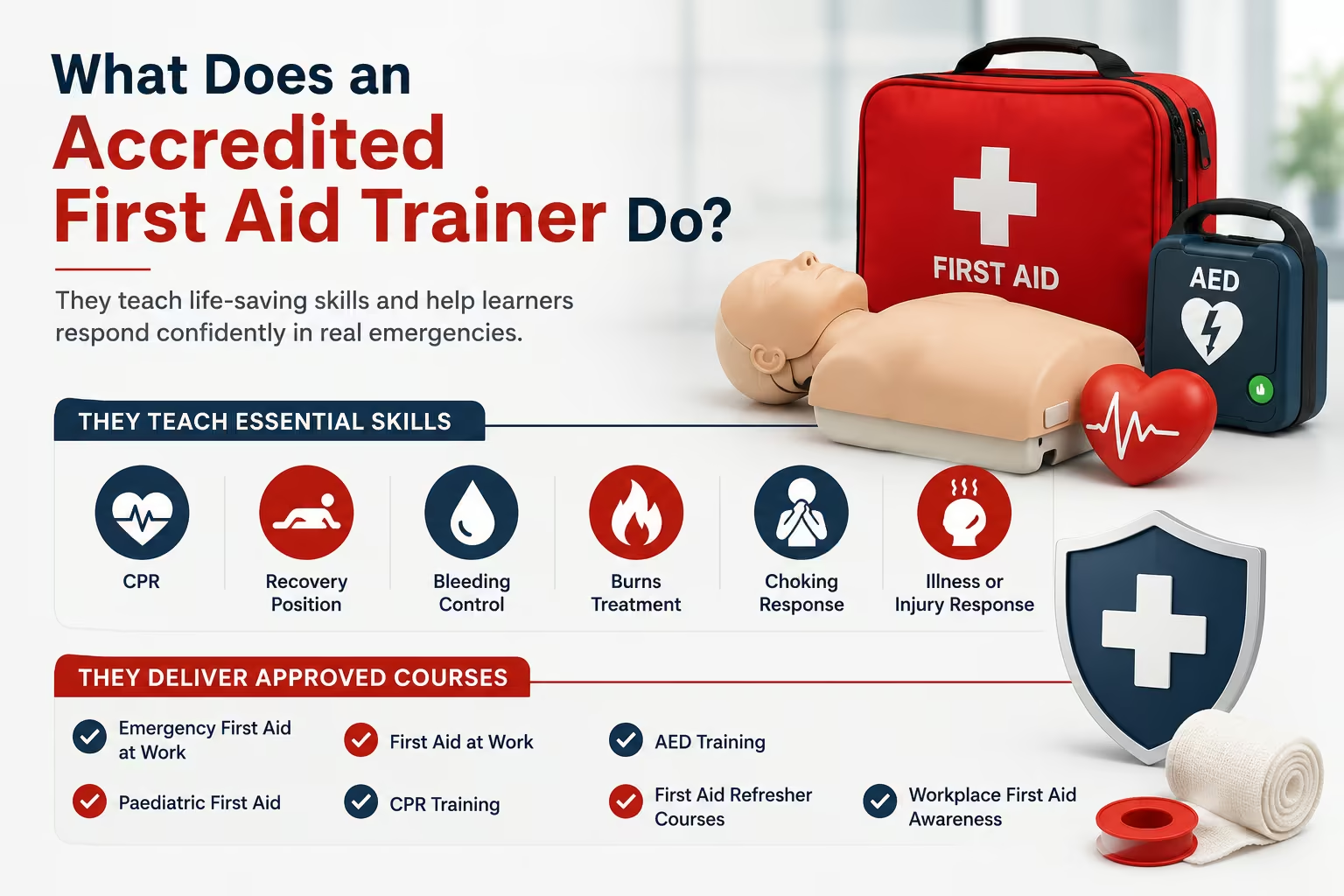
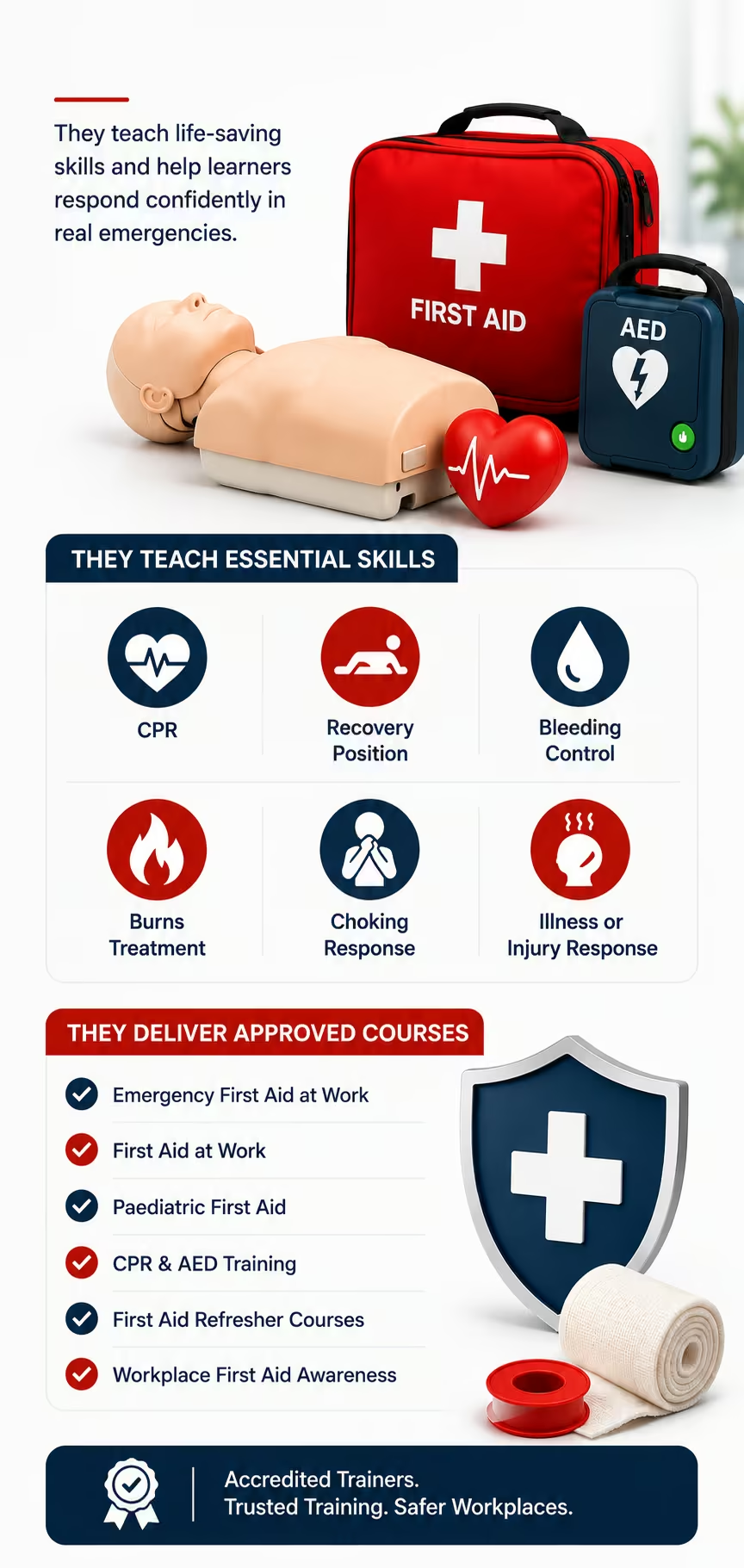
First aid trainers help learners understand what to do in real emergency situations. They teach important skills such as CPR, recovery position, bleeding control, shock management, burns treatment, choking response and how to respond to illness or injury at work.
Depending on their qualifications and approval, first aid trainers may deliver courses such as:
Emergency First Aid at Work
First Aid at Work
Paediatric first aid
CPR training
AED training
First aid refresher courses
Workplace first aid awareness
A trainer may also assess learners during practical activities, check understanding, give feedback and make sure training is delivered safely and professionally.
What Does Accredited Mean in the UK?
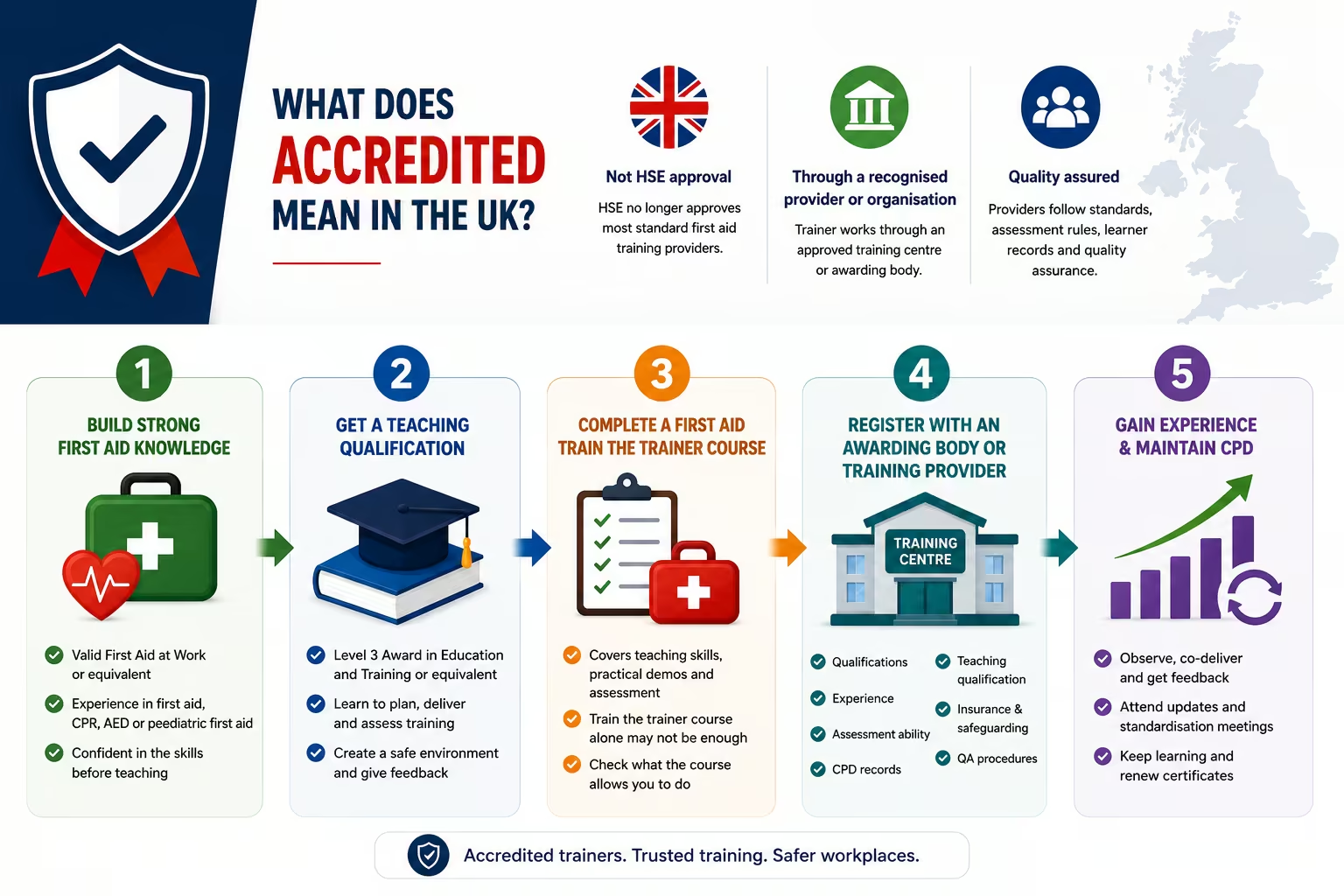
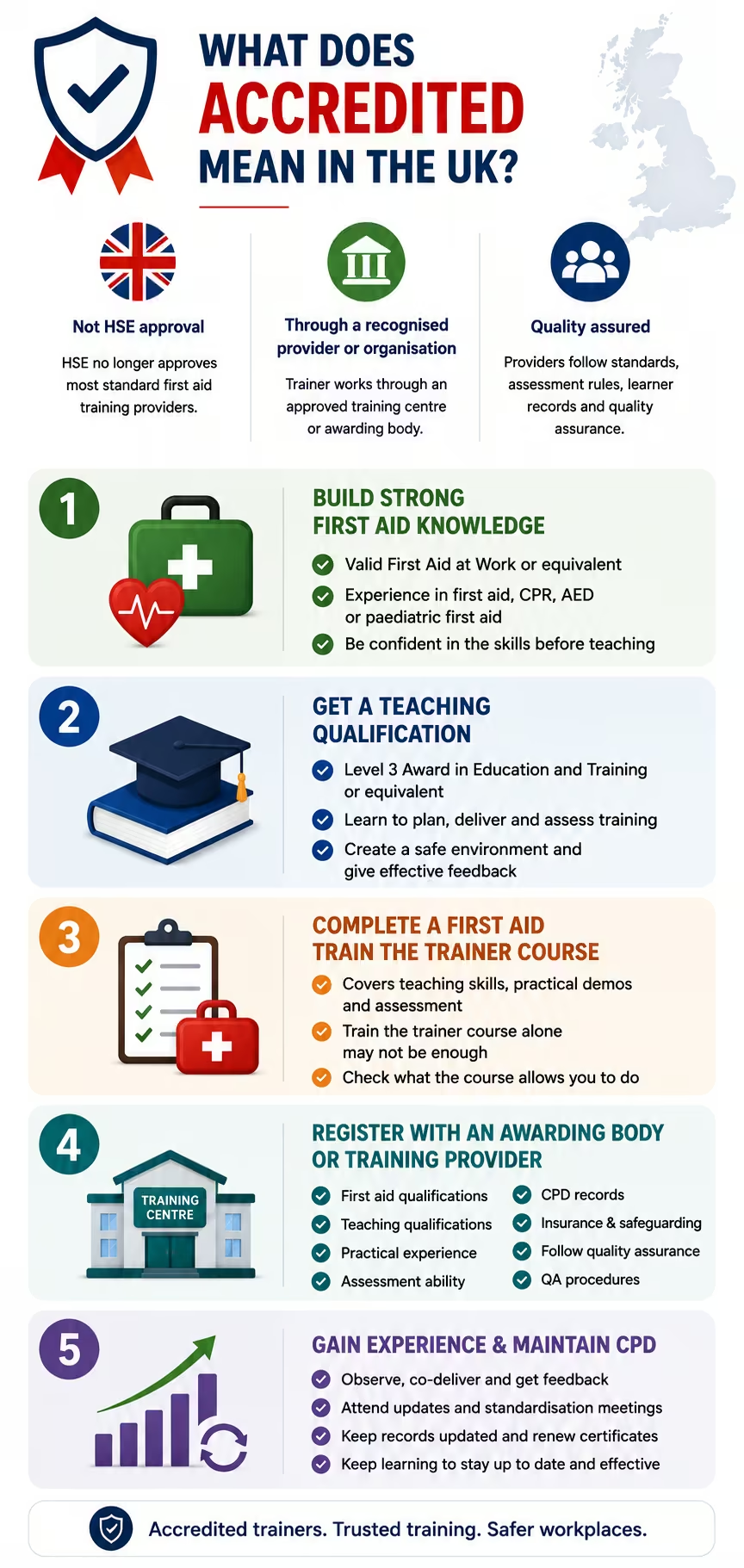
In the UK, the word “accredited” can be confusing. It does not usually mean that the HSE directly approves the individual trainer. HSE no longer approves most standard workplace first aid training providers.
Instead, accreditation usually means the trainer works through a recognised training provider, approved training centre or awarding organisation. It may also mean the trainer has been internally approved as competent to deliver and assess specific first aid qualifications.
A quality-assured training provider should have suitable trainer standards, assessment rules, course materials, learner records, complaints procedures and internal quality assurance. This helps employers and learners trust that the training meets expected standards.
Step 1: Build Strong First Aid Knowledge
Before you teach first aid, you need strong first aid knowledge and practical confidence. Many people start as workplace first aiders, healthcare support workers, safety officers, lifeguards, childcare workers or emergency response volunteers.
A good starting point is a valid First Aid at Work qualification or equivalent. Some trainers also have experience in emergency first aid at work, workplace first aid, paediatric first aid, CPR or AED use.
The key point is simple: you should be confident doing the skills yourself before teaching them to others.
Step 2: Get a Teaching Qualification
A first aid trainer must be able to explain information clearly, manage a group and support different learning needs. For this reason, many training providers expect trainers to hold a teaching or training qualification.
A common route is the Level 3 Award in Education and Training or an equivalent qualification. This helps you learn how to plan lessons, deliver sessions, manage learners, use teaching resources and assess understanding.
Teaching first aid is not only about showing a bandage or demonstrating CPR. You also need to create a safe learning environment, answer questions correctly and give useful feedback.
Step 3: Complete a First Aid Train the Trainer Course
A first aid train the trainer course can help you understand how to deliver first aid training professionally. These courses may cover lesson planning, practical demonstrations, CPR and AED teaching, scenario-based training, learner assessment and course delivery standards.
However, a train the trainer course alone may not be enough to deliver regulated or accredited first aid qualifications. You may still need the right first aid qualification, teaching qualification and approval from a provider or awarding organisation.
When choosing a course, check what it allows you to do afterwards. Ask whether it leads to recognised trainer approval, whether assessment is included and whether it is accepted by the organisation you want to work with.c
Step 4: Register with an Awarding Body or Training Provider
Many first aid trainers deliver accredited certificates through an approved training centre, awarding organisation or established first aid training company. This is especially important if you want to teach First Aid at Work, Emergency First Aid at Work or paediatric first aid courses that employers can rely on.
A provider may ask for evidence of:
Current first aid qualifications
Teaching or training qualifications
Practical experience
Assessment ability
CPD records
Insurance and safeguarding awareness
Agreement to follow quality assurance procedures
Some trainers work directly for a training company, while others work as freelance trainers under a recognised centre.
Step 5: Gain Experience and Maintain CPD
Once approved, you should continue developing your skills. New trainers often benefit from observing experienced trainers, co-delivering sessions and receiving feedback.
You may also need to attend standardisation meetings, update lesson plans, maintain learner records and renew certificates when required. CPD is important because first aid guidance, training methods and quality assurance expectations can change.
Good trainers keep learning. They do not rely on old knowledge or outdated course materials.
Career Options for First Aid Trainers
There are several career routes for people who want to teach first aid. You could work as a freelance first aid trainer, workplace trainer, health and safety trainer, first aid assessor, training centre tutor or trainer assessor.
Some people deliver first aid as part of a wider role in health and safety training, childcare training, leisure training or workplace compliance. Others search for first aid trainer positions with national providers, local colleges, charities or private training companies.
You can also find first aid trainer vacancies through job boards, training organisations, recruitment agencies and professional networks.
Skills Needed to Teach First Aid
A good first aid instructor needs more than technical knowledge. You should be able to communicate clearly, demonstrate practical skills, stay calm, manage time and support nervous learners.
Important skills include confidence, patience, organisation, safety awareness and fair assessment. You should also be able to adapt your teaching for different learners, from workplace staff to childcare workers or community volunteers.
Because first aid involves real risks, trainers must be accurate, professional and responsible.
Common Mistakes to Avoid
One common mistake is assuming that a basic first aid certificate is enough to teach first aid professionally. It usually is not. You need suitable first aid knowledge, teaching skills and approval to deliver recognised courses.
Another mistake is using the phrase “HSE accredited trainer” incorrectly. In most normal workplace first aid training, HSE does not directly accredit individual trainers or providers.
You should also avoid ignoring CPD, failing to renew qualifications, using outdated guidance or not following quality assurance rules. These issues can affect learner safety and course credibility.
Conclusion
Becoming a first aid trainer in the UK is a realistic career route for people with strong first aid knowledge, teaching ability and a professional approach. The usual pathway is to build first aid experience, gain a valid First Aid at Work qualification or equivalent, complete a teaching qualification, take suitable trainer training and work through a recognised provider or awarding organisation.
If you want to teach first aid professionally, focus on competence, quality assurance and continuous development. This will help you deliver safe, clear and valuable training for learners who may one day need to save a life.
FAQ - How to Become an Accredited First Aid Trainer
In most professional training settings, yes. Many providers expect a teaching qualification such as the Level 3 Award in Education and Training or an equivalent qualification. This shows that you can plan and deliver training safely and effectively.
You may be able to teach Emergency First Aid at Work if you have suitable first aid knowledge, a current qualification, teaching skills and approval from a recognised training provider or awarding organisation. Always check the provider’s trainer requirements first.
Not always. A first aid train the trainer course can be useful, but you may also need a valid First Aid at Work qualification, teaching qualification, assessor approval and quality assurance support from a recognised provider.
You can look for first aid trainer positions and first aid trainer vacancies on job boards, training provider websites, health and safety companies, colleges, charities and freelance trainer networks.